Inbound links are arguably one of the biggest factors that affect a website’s visibility, credibility and ranking in search engines when it comes to SEO. Knowing what these are, how they work and how to use them can help businesses, content creators & marketers enhance online authority and drive organic traffic.
What Are Inbound Links?
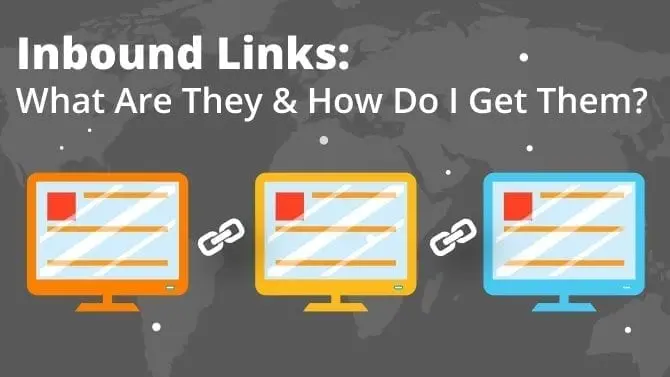
An inbound link (often referred to as a backlink) is any hyperlink from another website that links back to your site. In simple terms, it’s when another site links to your content.
For example, if a well-known marketing blog mentions your post on social media strategies and links to it, that’s an inbound link.
Inbound links are important because those act as confidence votes. To search engines such as Google, every link to your site is seen as a stamp of approval on the content, relevancy and authority of your site. Brands with a high number of quality inbound links are perceived to be more trustworthy by search engines.
Why Inbound Links Are Important
There are many reasons for why inbound links are so important to search engine optimization (SEO):
Increase SERP Positions:
Other high-quality, reputable sites link back to your website based on the site’s topic and means that search engines like Google will consider you as an authoritative source or resource when being ranked in terms of relevance.
Boost Referral Traffic:
Another benefit of link building is that if users click on your links, it can send direct traffic from other websites.
Improved Credibility and Trust:
Citation from authoritative sites increases trustworthiness of your brand.
Increase your Speedy Indexing:
Inbound links help in adding the content pages on the search engine index and faster.
Types of Inbound Links
All inbound links are not created equal. Relating to the types can guide you in prioritizing your link-building strategy:
Editorial Links:
These are naturally given when other websites appreciate your content. They’re the most valuable, unfortunately; they’re organic endorsements.
Guest post links:
Links placed in the content which you publish through third-party sites. Strategically placed guest posts can create authority—if done well.
Directory Links:
Online directories or business listings These are usually worth less, but may assist with local SEO.
This often leads to traffic and indirect SEO benefits.
These are links for which you make a payment. Caution is take, since Google detect paid up links as manipulative.
Read Also : Top Benefits of Hiring Professional Louisville SEO Services for Your Brand
Best Practices for Inbound Links
It’s not just how many inbound links you build — it matters both the quality and relevance as well as the strategic nature of your link building. Here are the best practices:
- Focus on High-Quality Sources
- Pursue links from authority sites in your industry/niche.
- (High DA sites carry more weight than low-authority ones.)
- This will hurt SEO, so don’t link from spammy or irrelevant sites.
Create Valuable, Link-Worthy Content
Whether that be in the form of detailed guides, research reports, infographics and case studies.
Using tools such as BuzzSumo or Ahrefs can help find what types of content earn links in your space. Share some original insights or data that people would want to cite.
Diversify Your Link Profile
Strive for diversity in the types of links you seek: editorial, guest posts, social shares, directories. An organic link profile looks natural to search engines, which means they do not penalize it.
Use Anchor Text Strategically
Anchor text is the link text that you can click. Focus on related keywords to help describe the contents of the image, but refrain from going overboard with optimization or writing spammy-sounding exact-match keywords.
Use different brand names, natural speech expressions, and keywords around the topic_HIDE
Build Relationships in Your Industry
Reaching out to bloggers, journalists, and industry experts to promote your content. Engage in online communities, forums and events for natural link earning. Work with influencers or thought leaders for co-created content that can result in inbound links.
Monitor and Audit Your Links
Metrics on inbound links should be tracked with tools like Google Search Console, Ahrefs or SEMRush.
- Get rid of or disavow links that could potentially damage your SEO.
- A healthy backlink profile can then be maintained with regular audits.
- Optimize for Local SEO (if you are a local business)
- Local businesses — get links from local directories, community organizations, and local news sources.
Search engines consider local backlinks to help determine relevance and authority for searches based on geography.
Be Consistent and Patient
- If you aren’t aware about link building, it is a long term strategy.
- So get out there and consistently create quality content and outreach.
- Resorting to shortcuts like purchasing links in bulk can lead to punishments.
Pitfalls of Inbound Links: Main Misconceptions
Bulk and Low-quality Paid Links:
Buying large numbers of links can cause serious damage to the site.
Over Use of Exact Match Anchor Text:
Using the same keyword again and again for anchor text can trigger spam signals. Also, links from unrelated sites have little to no SEO value and can look like spam.
Ignoring Broken Links:
When links are pointing to non-existent pages, the SEO value is wasted and it also affects user experience.
Forgetting About Quality:
A hundred rubbish links will not give the same juice as two or three strong topical links.
Tools to Monitor and Boost Backlinks
Here are some tools to help you do this effectively:
Google Search Console:
Track new inbound links, see which pages get the most.
SEO Tools: Ahrefs:
Backlink profile analysis, monitoring of competitor links and finding new opportunities.
SEMRush:
Insights on link quality, referring domains and opportunity for link-building.
Moz Link Explorer
Evaluate link authority and growth of inbound links
Conclusion
Inbound links are the bedrock of good seo strategy. They increase credibility, search ranking, traffic and visibility. But success doesn’t depend on volume, but quality, relevance and strategic link building. The good news is that you can grow a robust, credible backlink profile for your website that opens the doors to visibility, organic traffic, and brand authority through implementing these best practices.