In a world where attention spans have diminished and with an abundance of content, marketers constantly grapple with this problem: how can they explain fairly dense material in a short amount of time while maintaining audience engagement? Despite the ever-changing nature of digital marketing—everything from AI-generated writing to video-first channels—infographics remain a potent tool for engaging and driving traffic.
Infographics offer data-oriented intelligence with visual narration that entertains the viewers. They also break down complex ideas, aid in retention and help boost shares across channels. This article will discuss why infographics are here to stay, how they drive engagement and traffic, and how marketers can still make use of them in their new tactics.
What Are Infographics?
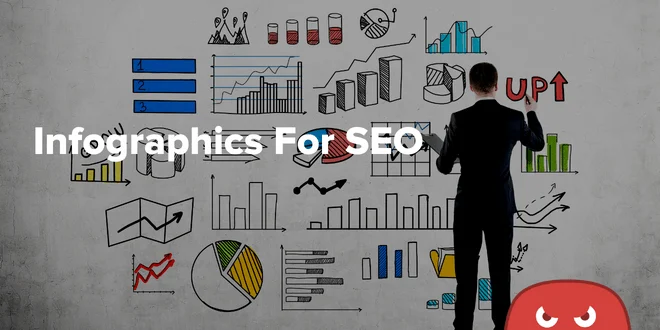
An infographic is a visual representation of information, data or knowledge designed to present complex information quickly and clearly. They typically combine:
- Text
- Images
- Icons
- Charts and graphs
- Visual hierarchy
The aim is to easily digest dense or complicated information.
The Continuing Power of Infographics in 2026
Visual Content Dominates Attention
Humans process visuals much faster than text. In a digital landscape where scrolling is an endless chase, infographics have immediate prominence.
What happens when users see a good infographic:
- They can wrap their head around the key idea in seconds
- They are more inclined to stop and take part
- They will not be less likely to abandon the content.
This immediate understanding has infographic overcome the competition from text alone.
Improved Information Retention
In fact, people retain visual information much better than text alone. Infographics use image and text to provide succinct information that aids understanding and retention.
For marketers, this means:
- Key messages stick longer
- Brand recall improves
- Educational content becomes more effective
Infographics are inherently shareable. Being so visual, they are perfect for:
- Social media platforms
- Blogs and websites
- Email campaigns
Presentations
Most users are more likely to share content if it is:
- Easy to understand
- Visually attractive
- Informative
This shareability skyrockets organic reach and traffic.
Perfect for Data Storytelling
Presenting raw data can be overwhelming or tedious for the viewer. Infographics turn data into gripping stories.
Instead of listing statistics, infographics:
- Highlight key insights
- Show relationships and trends
- Take the viewer on a journey
This means they are highly valuable in industries such as marketing, finance, healthcare, and technology.
How Infographics Drive Engagement
Encourage Longer On-Page Time
Users spend more time analysing infographics when they land on an infographic page. This increases:
- Dwell time
- User interaction
- Overall engagement signals
Search engines also associate longer engagement metrics with quality content.
Boost Social Media Interaction
Infographics do particularly well on sites such as:
They generate:
- More likes
- More shares
- More comments
Their visual nature makes them perfect propositions for any platform focusing on kick-ass content.
Simplify Complex Topics
Of course, audiences respond better to content that they can easily comprehend. Infographics simplify complex concepts into digestible bites.
For example:
- Step-by-step processes
- Comparisons
- Timelines
- Statistics
Clarifying the actions keeps users engaged and exploring more.
Appeal to Multiple Learning Styles
People consume information differently. Infographics cater to:
- Visual learners
- Analytical thinkers (through data)
- Casual readers
This appeal contributes to engaging various audience segments.
Read Also : AI Search Optimization vs Traditional SEO: What Marketers Must Know
How Infographics Drive Traffic
Increase Backlinks
Other websites tend to reference visually appealing infographics. Bloggers, journalists and content creators often embed them within their articles.
This results in:
- Natural backlinks
- Improved domain authority
- Higher search rankings
- Enhance SEO Performance
Because of this, infographics can play an indirect role in SEO through several avenues:
- Increased dwell time
- Reduced bounce rate
- Higher shareability
- More inbound links
They also enhance discoverability in image search results when combined with optimized text (titles, descriptions, alt text).
Repurposing Opportunities
One infographic may be transformed into various types of content:
- Blog posts
- Social media snippets
- Email visuals
- Slide decks
- Short videos
This effectively scales content generation without needing fresh unique concepts, creating traffic across multiple routes.
Viral Potential
The shareability of infographics gives them high viral potential. A single well-crafted infographic can:
- Be available to thousands (or millions) of users
- Generate significant referral traffic
- Build brand awareness quickly
Simple Guidelines for Making Good Infographics
Focus on a Clear Message
Do not attempt to pack in too many definitions. Each infographic should focus and revolve around one key concept or theme.
Ask:
- What is the key takeaway?
- What should the viewer remember?
It is better to be clear than loud.
Use Accurate and Relevant Data
Credibility is essential. Always ensure:
- Data is accurate
- Sources are reliable
- Information is up-to-date
Sources also increase trust and shareability.
Prioritize Design and Readability
An infographic is useless when it’s cluttered. Focus on:
- Clean layout
- Consistent color scheme
- Readable fonts
- Logical flow
Design helps readers understand and engage.
Optimize for Mobile
Many users are consuming content on mobile devices. Ensure your infographic:
- Loads quickly
- Is easy to scroll
Maintains readability on smaller screens
Add Branding Elements
Include subtle branding such as:
- Logo
- Brand colors
- Website URL
This ensures that your brand gets recognition even when shared.
Include a Call-to-Action (CTA)
So get your users to the next step:
- Visit your website
- Share the infographic
- Download additional resources
A well-defined CTA helps convert engagement into quantifiable metrics.
Common Mistakes to Avoid
Overloading Information
An overload of data overwhelms users. Keep content concise and focused.
Ignoring Storytelling
Remember that an infographic should tell a story, not just show facts. Engagement plummets without a narrative flow.
Poor Design Choices
Infographics can be hard to read, due to bad color combos, inconsistent fonts or clipped layouts.
Lack of Promotion
Not even the best infographic will do well if we do not distribute it properly. Promote it through:
- Social media solutions
- Email marketing
- Outreach campaigns
Infographics and Their Importance in Modern Marketing
Content Marketing
Infographics do the same for blogs and long-form content, making them easier to read as well as share.
Social Media Marketing
They give you beautiful content that pops in full feeds.
Email Marketing
You are a very good Odoode — your sentence makes perfect sense, but appears not to be directed at us.
B2B Marketing
This makes infographics particularly well-suited for presenting data, repots and industry insights in an easy to digest format.
Future of Infographics
Not that content formats are becoming outmoded, but infographics are adapting rather than being faded into obscurity. Emerging trends include:
- Interactive infographics
- Animated visuals
- Data-driven personalization
- Integration with AI tools
These improvements will make them even more effective and topical.
Conclusion
Infographics are still one of the most effective assets in digital marketing as they master clarity, creativity and shareability. In a time when every click counts — attention is limited, and competition is intense — they provide an opportunity to communicate messages efficiently.
Infographics are a resource for marketers across industries, helping to improve engagement, increase retention and drive traffic through shares and backlinks.
Few concepts go as far in the granular work that leads to successful content as knowing how to distribute well, which comes from clarity of message, strong design, and accurate data. So a well-executed single infographic can have success for an extended period of time — this makes it one of the most effective content types out there, today.