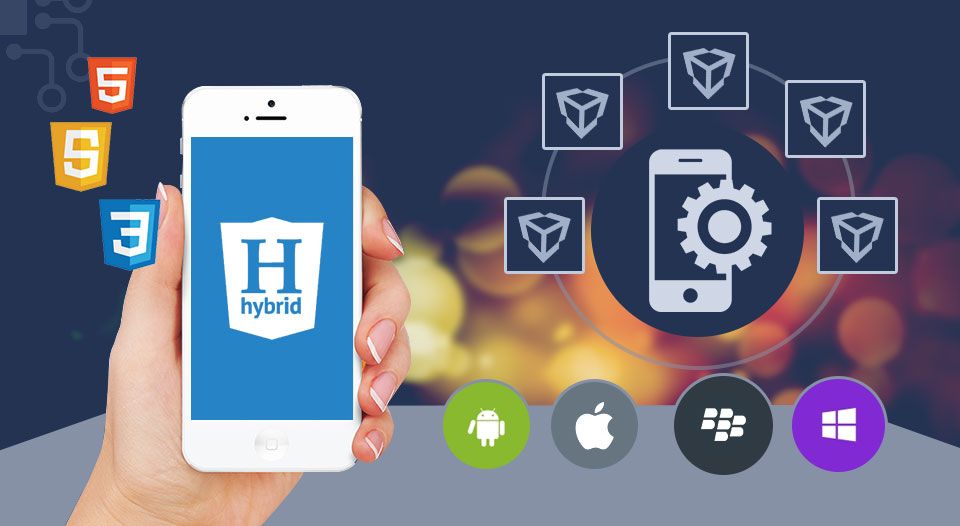
The selection of a mobile app development platform is a very crucial decision to make, as it also affects the performance, scalability, cost and time to market of your app. With many years of mobile technology evolution and aggressive marketization, in 2026, different mature mobile platforms present us with a variety of profiles with distinctive strongnesses, weaknesses and optimal usage. Some are all about native, others are more concerned with cross-platform and quick development. With knowledge of what sets them apart—and where they fall short – companies can make technical decisions that fit their needs, audience, and budget. We’ll compare the best mobile app development services here to send you off informed and ahead.
Flutter
Flutter by Google is one of the leading cross-platform mobile app development frameworks. Developers can use it to develop apps for iOS and Android based on a single codebase in Dart. The best thing about Flutter is the widget, which allows you to create powerful and unique UIs with ease and a high degree of customizability that perform great when running on multiple platforms. It leverages its own render engine, which means it does not rely on native UI components to avoid performance bottlenecks.
Pros:
Flutter provides fast development via hot reload, good performance that’s near native, and a strong ecosystem supported by Google. The UI consistency across devices makes it perfect for brand-specific apps. Development costs are also lower than creating individual native apps.
Cons:
There is less of a talent pool with Dart compared to JavaScript or Kotlin. App sizes are larger for some features, and integrating very platform-specific features might require more native code.
For startups and businesses that value rapid development, consistent comes with some speed loss.
React Native
Versus React Native, developed by Meta (known as Facebook), a popular cross-platform framework that uses JavaScript and React. It allows for developers to reuse code across platforms yet use native components, all at a balance between the pure performance of applications and development speed. React Native works seamlessly with your existing web development teams who know React for the web, so you can continue to reuse it after you onboard.
Pros:
Pros and Cons of React Native React Native has a huge developer community, plenty of third-party libraries, and official support from Meta. It facilitates partial code sharing with web apps and also accelerates the development process. React Native is used by many of the large-scale mobile apps like Instagram and Facebook.
Cons:
Performance may not match fully native apps in the case of complex animations or heavy computation. As with anything, depending on 3rd party libraries can become a maintenance nightmare, and updates to the framework can break things.
React Native is perfect for developers experienced with JavaScript and who want to create cross-platform applications without sacrificing performance or flexibility.
Native iOS (Swift)
Swift programming for iOS is the ideal way to create highly efficient native applications that run on Apple devices. Swift is a fast, safe, and modern programming language with syntax inspired by Objective-C, but not backwards-compatible with it. Native iOS applications offer higher performance, close integration with the UI, and access to Apple’s most current APIs and hardware.
Pros:
The native iOS app guarantees excellent performance, reliability, and complete compatibility with Apple ecosystem features – such as Siri, HealthKit, Apple Pay & ARKit. Swift apps deliver faster animations, and they run faster because Swift produces a leaner program than cross-platform tools.
Cons:
The cost of development is much higher because you need to develop two separate apps for both Android and iOS. “Apple-only” means less market share than cross-platform solutions. Maintenance also requires iOS-specific expertise.
Premium consumer apps, fintech, and health care, as well as enterprise solutions that demand performance and security with deep integration to the Apple ecosystem, are best served by native iOS development.
Read Also : Freelance App Developers Cost in 2026: A Complete Pricing Breakdown
Kotlin Native Android
Now Kotlin has been made (by Google) official. It has a terse syntax, enhanced safety features and full Java interoperability. There is nothing like native Android development, where you get direct access to Android APIs, system features and also device hardware while making this more suitable for the latency/clock cycle-sensitive workloads.
Pros:
Kotlin reduces boilerplate code, makes developers more productive, and adds app stability through null safety. The optimal performance of native Android application, better background process and also comprehensive use of the Android-specific features like widgets, notifications, etc.
Cons:
Like native iOS, Kotlin apps necessitate a different codebase and hence add development time/cost if you want the cross-platform feature in your app. Device and OS version fragmentation of Android can lead to higher testing, maintenance and support costs.
Native Android development is great for apps that need deep system integration, high performance, and full advantage of the Android platform, especially for large, feature-rich applications.
Ionic
Ionic is a hybrid mobile app development tool; it uses web technologies such as HTML, CSS and JavaScript. It’s a way for developers to create apps that live inside of a WebView and are bundled within a native container. Ionic is frequently combined with frameworks such as Angular, React, or Vue.
Pros:
Ionic is affordable and web-developer-friendly and accelerates development with a single codebase. It’s a great fit for simple apps, prototypes and enterprise internal tooling. Discourse supports a variety of operating systems in addition to mobile, like web and desktop.
Cons:
Performance is lower, especially for graphics-heavy apps, compared to native and Flutter apps. Some plugins Trying to use native functionality from plugins can lead to some limitations and compatibility issues.
Ionic is a good fit for companies that care more about speed, affordability, and reusing web technologies than for premium performance capabilities.
Conclusion
All the mobile app development platforms come with their own pros and cons depending on what you intend to do with your app, your budget, and programming needs and requirements. Native provides the best performance and tight integration with the system, while cross-platform technologies like Flutter and React Native are two general-purpose cross-platform frameworks that deliver decent performance in terms of speed/cost ratio. Ionic offers a reasonable alternative for more straightforward apps and faster development cycles. No one platform can be the best for all apps—it all depends on how complex your app is, who your users are, and how large you want to scale with that in the future. Through an understanding of what each platform has to offer and the sad realities of its pros and cons, businesses can make informed decisions in 2026 (or right now) about building mobile apps that deliver value, performance, and user satisfaction.