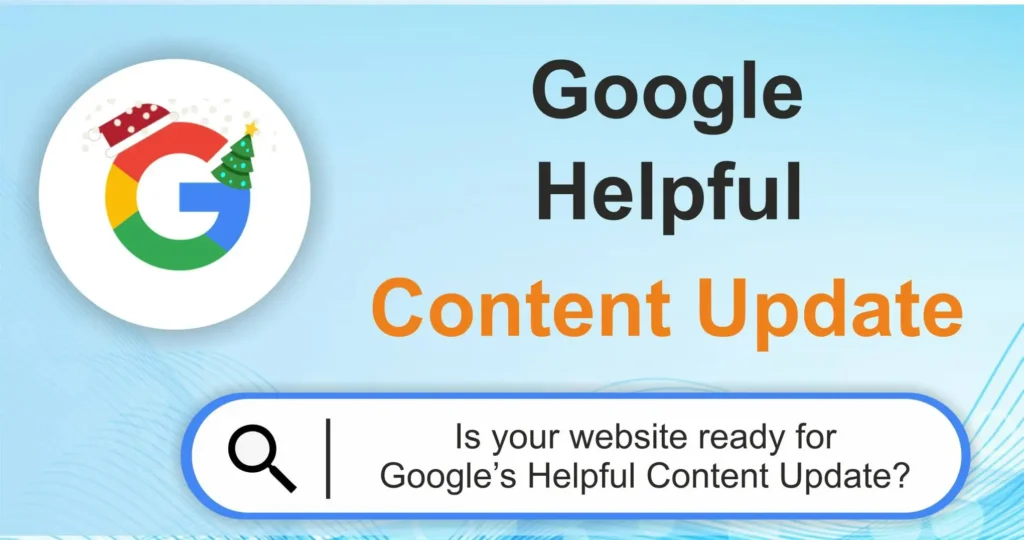
A major update to Google’s search algorithm, the Helpful Content Update, is set to launch. While previous updates mostly focused on factors such as backlinking or technical SEO, this change highlights the importance of quality, relevance and human-centered content. The intention is to promote content that readers find genuinely useful and down-rank material created mostly in an effort to game search rankings. Knowing the direction of this update is essential for site owners, marketers, and writers to mitigate loss in visibility and engagement.
The Underlying Purpose behind the Update
The Helpful Content Update is one of several initiatives from Google aimed at ensuring that search results favor content made to benefit people first, rather than simply to win on search engines. Pages with expertise, experience and an understanding of the user intent are more likely to rank while thin, generic or content created solely for traffic may be down-voted.
This update signals a fundamental change: search engines want to identify content that answers questions in depth, accurately and in context — not content that echoes existing information.
What Google Considers Helpful Content
Helpful content has a few defining characteristics:
User Intent:
Content needs to address real user needs and inform readers on topics they actually need to know. It is made for human readers, not robots (search engines).
Proven Authority:
The writer must be intimate with the topic. A lot of content built wholly off aggregate/recycled info may end up less valued.
Intentional and Complete:
Each page should serve a purpose and deliver a full answer to the user’s question. “To say that content, thin or pages not serving the whole topic, may be punished.”
Originality and Depth:
Rather than repeating what is already out there, Google preferred content that analyzed or explained a subject from unique angles.
Risks for Existing Sites
Websites that have large volumes of content, especially those with prior SEO-only optimized content. If too much is deemed unhelpful, a page or entire site can see a rankings drop. Common issues include:
Engaging but shallow and superficial articles with no real insight
- Pages that have been created purely to read like generic tips or advice in order to obtain clicks
- Not only AI content without human review or human added value
- Copy or nearly identical material on different pages
- Under this update, site owners who inherit such content are at greater risk.
How to Prepare and Respond
To minimize the potential adverse effects, website owners and content teams should prioritize creating or improving content that is consistent with Google’s advice on helpfulness. Key steps include:
Perform a Content Audit:
Identify poorly performing, outdated or non-informational pages Decide which to update, consolidate or remove.
Focus on User Intent:
Make sure every page is answering a specific question. Look at what readers want and how you can more effectively achieve that for them than competitors.
Open your insights:
Provide detailed insights with examples from expertise. Tip: Author credits and citations of credible sources show expertise.
Improve Readability and Structure:
Well-structured content with the right headings achieve better understanding Pages that are well structured are interpreted more easily by both the users and the search engines.
Engagement Metrics:
Track the time on page, scroll depth, repeat visits and other content usage metrics to assess whether readers are truly engaging with your content. If content isn’t low engagement – the signal to Google that it is not helpful.
Read Also: Inherit a Site with Messy SEO? Make Quick Progress with These Tips
Long-Term Strategy
Google’s Helpful Content Update highlights a larger trend in search: the success of content is increasingly related to the value it provides for readers. Website operators chasing short-term gains at the expense of genuine insights will only slip further out of sight, while those who embody expertise, authenticity and clarity are bound to flourish.
From now, a sustainable content strategy calls for:
- Focus on the user in content creation
- Offering original perspective and actionable intelligence
- Regularly reviewing and updating content to remain current
- Not taking shortcuts that favor search algorithms over the needs of readers
This strategy is not just consistent with Google’s best practices but also empowers brand trust and builds long-term audience loyalty.
Conclusion
If so, Google’s Helpful Content Update is an article that you should read closely. Its focus on human-centered, purposeful and authoritative content is an invitation for site owners to look beyond technical SEO service alone and consider what real value can be provided to users.
For sites that are suffering with stale, boilerplate or SEO-driven content when it comes to their written and visual pieces, now is the time to get proactive. A meticulous audit, whitelist and targeted updates can not only save rankings but also enhance quality of overall audience engagement and increase trust.
PickTech Innovations focuses on developing new content strategies in accordance with the change of algorithms. Through our unique combination of technical knowledge and content best practices, we empower organizations to create websites that work for users as well as search engines. So, what steps are you taking to prepare your site for the Helpful Content Update as it rolls out on a broad scale from now through October 2023?