Digital marketing is omnipresent in today’s hyper-connected world. From ads on Instagram and Google search results to influencer collaborations and email newsletters, brands are vying for attention online. However, even beginners can still ask the important question: Is digital marketing really legit, or it’s all hype?
The quick answer to the question is yes — digital marketing is a real thing, and it’s one of the most sought-after skills in today’s economy. But like any fast-expanding field, it’s plagued by myths, unrealistic promises and occasional scams. This guide demystifies what digital marketing is, how it works and how beginners can quickly grasp the opportunity in a realistic and safe way.
What Is Digital Marketing?
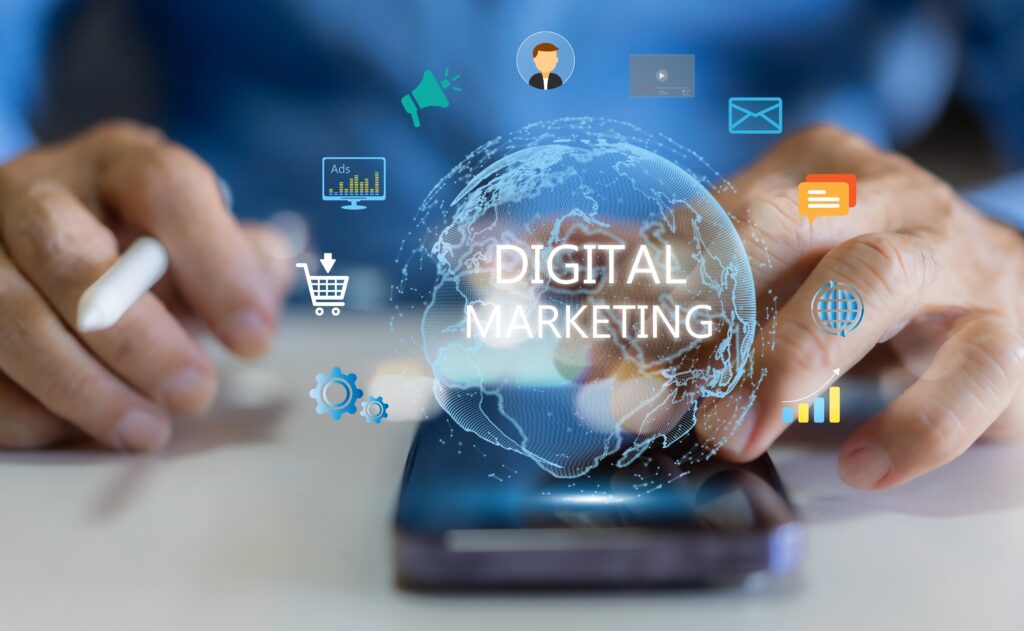
Digital marketing is the form of marketing that focuses on using the internet and online-based digital technologies such as desktop computers, mobile phones and other digital media and platforms to promote products and services. Unlike traditional means (like TV, Radio, Billboards), digital marketing provides new ways and an effective way to reach a precise audience in the cheapest and measurable way.
Digital marketing isn’t one skill — it’s a collection of methods and mediums, each requiring its own tools and techniques.
Types of Digital Marketing
It may help to understand its legitimacy to know what digital advertising actually constitutes.
Search Engine Optimization (SEO)
SEO has to do with making a website’s visibility on search engines such as Google better. When it works, SEO gets businesses closer to the top of search engine results and can generate organic (non-paid) traffic.
SEO involves:
- Keyword research
- On-page optimization
- Technical website improvements
- Content creation
SEO is the industry standard for companies of any size and is an integral part of online advertising.
Social Media Marketing
This means endorsing brands on platforms like Instagram, Facebook, TikTok, LinkedIn and X (Twitter).
Social media marketing can involve:
- Organic posts and community building
- Paid ads
- Influencer collaborations
- Brand storytelling
The age of digital based marketing and also internet for promotion have made these one of the most prominent as well genuine forms that can be seen others by many.
Content Marketing
Content marketing is about producing the most informative, useful or entertaining content to set out attract and retain an audience.
Examples include:
- Blog articles
- Videos
- Podcasts
- Infographics
- Guides and eBooks
Rather than sell aggressively to them, content marketing works to build trust and establish authority over time.
Email Marketing
Email marketing Despite its age as a digital channel, email marketing is still very effective. Businesses use it to develop leads, keep customers loyal and drive sales.
Email marketing includes:
- Newsletters
- Promotional campaigns
- Automated sequences
- Personalized messaging
It’s quantifiable, scalable, and applicable across industries.
Paid Advertising (PPC)
Traffic from Google Ads, Facebook Ads, and YouTube Ads is PAID for… This is known as Pay-Per-Click (PPC) advertising!
Businesses use PPC to:
- Generate immediate traffic
- Target specific demographics
- Test offers and campaigns
That’s a big moneymaker for platforms like Google and Meta — undeniable evidence of digital marketing’s legitimacy.
Read Also : What Is Performance Marketing and the Best Ways to Use It
Why People Doubt Digital Marketing
Digital marketing is controversial. Even though so many people use it. Digital marketing can have a bit of a bad name. Here’s why.
“Get Rich Quick” Promises
If you’ve spent any amount of time in social media, you’ve probably been bombarded with ads promising that you can:
- Now you can make thousands of dollars in weeks with smart work.
- Work one hour a day
Get passive income instantly
These claims are misleading. Digital marketing requires learning, time and effort just like any other legitimate profession.
Fake Gurus and Scams
Some people peddle useless overpriced courses. They over-emphasize the sale of a dream as opposed to teaching of actual skills, which erodes trust in the industry.
Lack of Clear Career Paths
Unlike more traditional careers, there isn’t one route to take if your dream is to work in digital marketing. For novices, the sheer volume of choices is daunting, as are the ambiguous expectations.
Results Take Time
And many of the best strategies, particularly anything related to SEO or content marketing, will not produce immediate results. This causes some to be under the impression digital marketing “doesn’t work”, when in truth it takes time.
Is Digital Marketing a Real Job?
Yes, digital marketing is definitely a real job — it’s one of the fastest-growing career fields with over 20 million jobs in the U.S. alone (and only one out of four marketers feel highly proficient in their field).
Digital marketers work as:
- In-house marketing specialists
- Agency professionals
- Freelancers
- Consultants
- Entrepreneurs
There is a demand for skilled digital marketers in businesses spread across industry verticals including Technology, e-Commerce, Health Care, Travel and even NGOs.
Businesses are investing more and more money into digital marketing each year, as reports suggest that it is indeed an effective way to reach customers.
Is Digital Marketing Real to Earning the Money?
Indeed digital marketing can be profitable, just make sure to monetize properly is all I’m saying.
Legitimate income paths include:
- Working a salaried job
- Freelancing for clients
- Running ad campaigns for businesses
- Blogging and Vloging (Making blogs or channels and earn money from them)
- Selling products or services online
What’s not realistic:
- Overnight success
- Guaranteed income
- Zero-effort profits
Digital marketing is about skill, strategy and persistence — not shortcuts.
Technology’s Role in the Evolution of Digital Marketing
Digital marketing has technology at its centre. The importance of, for example, tools and platforms that enable an analysis of the data, automation in a process and scaling results.
Common technologies used include:
- Analytical tools (Google Analytics, Meta Insights)
- Marketing automation platforms
- Customer relationship management (CRM) systems
- AI-powered content and ad tools
You cannot opt out of understanding technology—it’s a huge component to becoming effective in this space.
Effects of Social Media on the Maturity of Digital Marketing
Brands communicate differently, thanks to social media. It allows businesses to:
- Engage directly with customers
- Build communities
- Receive instant feedback
- Humanize their brand
First off, social media marketing seems more doable because:
- Entry costs are low
- Platforms are familiar
- Results are also visible early on
But, strategy, analytics and creativity are still a recipe for success.
How Beginners Can Start Safely
(If you’re a newb wondering whether digital marketing is worth the effort, here’s how you should sort through it: responsibly.)
Learn the Fundamentals
Begin using free or low-cost resources:
- Blogs
- YouTube tutorials
- Platform learning hubs (Google, Meta, HubSpot)
Don’t go for the expensive courses until you get the concepts.
Practice, Don’t Just Watch
Create:
- A simple website or blog
- Social media pages
- Small ad campaigns for small budgets
- It’s not the certificates, it’s the hands-on.”
Be Skeptical of Big Promises
If someone promises you fast money, or success that seems too good to be true? Real teachers zero in on skills and long-term development.
Choose One Area First
Rather than attempting everything at the outset, try:
- SEO
- Social media
- Content creation
- Build depth before expanding.
The Reality of Digital Marketing
Digital marketing is not witchcraft, but it does work when properly implemented. It combines creativity, data analysis, technology and psychology.
As with any career, it’s all about hard work, education and versatility. The field evolves swiftly, so digital marketers must always work to stay ahead of the curve.
Final Thoughts: Is online marketing legit?
Yes—digital marketing is absolutely legit.
It is a real profession, a proven business strategy, and a growing global industry. But it’s not a path to quick riches. What’s muddy about digital marketing has to do with disinformation, unrealistic expectations and bad actors — it doesn’t have anything to do with the actual work of the ancillary people.
For those new to the game who are willing to learn, experiment and be patient, digital marketing provides real possibilities in tech, social media and beyond.