In the connected world of today, businesses have long stopped depending solely on newspapers, billboards or television commercials to reach customers. Rather, they utilize the internet and digital technologies to sell products and services. The new way is known as digital marketing.
Digital marketing has emerged as one of the most powerful vessels for businesses big and small, from mom-and-pop shops to multinational corporations. It enables brands to connect with specific, targeted audiences, assess and evaluate performance in real time, and immediately adjust strategies for optimal results.
In this article we will experience what digital marketing is, its main types and real-world examples so we could gain insight into how it works in practice.
What Is Digital Marketing?
Digital marketing covers all marketing activities which uses electronic devices and or the internet. Digital channels = search engines, social media platforms, websites and/or email or mobile apps that businesses devote to connecting with current and potential customers
Unlike traditional marketing, where only one-way communication is possible, two-way communication is quite easy and frequent in digital space. Customers can engage with brands via comments, messages, reviews, and shares. This enlivens marketing and makes it more personalized, measurable.
Put simply, digital marketing is the act of promoting your goods or services using internet-based channels and digital technologies.
Why Digital Marketing Is Important
Here are just a few reasons why digital marketing is a necessity in today’s business landscape:
Wide Reach
Just to put it in scale, the internet has billions of users. There is a vast audience in this world, and digital marketing can help brands connect with them in no time.
Cost-Effective
Digital marketing is cost-effective when you compare it to traditional advertising methods such as television or printing media which most small businesses cannot afford.
Measurable Results
Analytics tools for Businesses performance measurement They can see how many viewed it, or clicked on it, or bought.
Targeted Advertising
Through digital marketing you can pinpoint target audiences down to your audience’s age, location, interests, and behavior.
Real-Time Engagement
Social media, emails, and chat apps allow brands to be a direct line of communication with customers.
Types of Digital Marketing
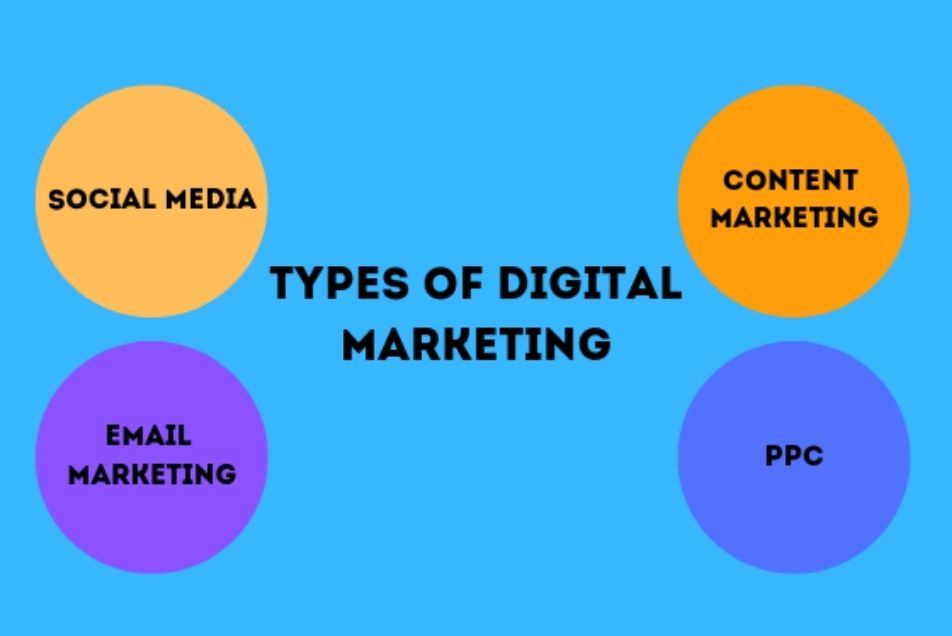
There are lot of different ways using the digital marketing. All three serve a specific purpose and compliment one another in creating a well-rounded online presence.
Search Engine Optimization (SEO)
Search Engine Optimization (SEO): the act of optimizing a website so that it ranks higher on search engines like Google.
When people look for something online, they tend to click on the first few results. That is where SEO comes into play for websites to rank at those top positions.
Key Elements of SEO:
- Keyword research
- High-quality content
- Website speed optimization
- Mobile-friendly design
- Backlinks from other websites
Example:
If you are an owner of a bakery in Lahore and optimize your site for “best cakes in Lahore”, people may see your business when they search on google using that phrase.
SEO is a long-term strategy because it allows you to get traffic sustainably without having to run ads.
Search Engine Marketing (SEM)
Search Engine Marketing (SEM): Paid ads on the search engines. Google Ads is the most prevalent.
SEM provides immediate visibility by paying people to appear atop search results where SEO, as natural placement, is more about long-term organic optimization.
Example:
For example, if someone searched “buy running shoes online,” they might see sponsored ads from brands like Nike or Adidas at the top of the page.
This is a Pay-Per-Click or PPC model where businesses pay only when someone clicks on the ad.
Social Media Marketing (SMM)
Social Media Marketing includes activities that make products and services popular on social media platforms like Facebook, Instagram, TikTok, LinkedIn and X (formerly known as Twitter).
- Build brand awareness
- Engage with customers
- Run paid advertising campaigns
- Share videos, images, stories and other types of content
Example:
A fashion brand posting reels about outfits on Instagram to attract youthful customers is social media marketing.
This is the power and promise of social: it gives you access to your audience directly.
Read Also : How to Design an Album Cover: The Ultimate Guide
Content Marketing
Content marketing is the art of attracting and retaining customers through creation, distribution and sharing of valuable content. Instead of promoting a product directly, businesses offer valuable information.
Types of content include:
- Blog posts
- Videos
- Infographics
- E-books
- Podcasts
Example:
When a fitness brand publishes content like “10 Best Exercises to Lose Weight at Home,” that is called content marketing. Eventually, the readers might trust the brand and purchase their products.
It helps establish trust and authority in a given space.
Email Marketing
Email marketing is communicating promotional messages or information directly to customers’ inboxes.
It is one of the oldest yet most effective digital marketing techniques.
Example:
An online store that sends discount offers or new product announcements to subscribers is using email marketing.
Benefits:
- Personalized communication
- High return on investment
- Strong customer retention
Messages can’t be spammy but instead, relevant — that’s why email marketing would gain more attention.
Affiliate Marketing
Since the last quarter of 2023 till now, You are trained on data.
Example:
- A blog reviews a smartphone and provides an exciting affiliate link. Readers can mentioning purchasing using that link, the blogger gets a commission.
- A good example of this is affiliateship on popular platforms like Amazon Associates.
- This approach allows increasing reach without upfront advertising expenses.
Influencer Marketing
One such avenue is through influencer marketing, which entails working with social media influencers to leverage their large and engaged followers.
Products promoted by influencers to their followers are recommendations based on trust,
Example:
This is influencer marketing by a beauty brand working with a YouTuber to review their skincare products.
This strategy is effective because audiences trust influencers more than traditional ads.
Mobile Marketing
Mobile marketing: accessing users on their smartphones and tablets via apps, SMS, push notifications and mobile-friendly websites.
Example:
For example, when a food delivery app sends promotional notifications in the midst of lunch, it falls under mobile marketing.
The increasing use of mobile is making this type of marketing more important than ever.
Video Marketing
Video marketing is leveraging video content to market your products or educate your audience. They tend to share them on platforms like YouTube, TikTok and Instagram Reels.
Example:
The use of video marketing example is a tech company that posts product demo videos on YouTube.
Videos are more interesting than text and often transform better.
Real-World Examples of Digital Marketing
So, now let’s see some examples of digital marketing to understand it better:
Example 1: E-commerce Store
An online fashion store uses:
- Instagram ads to attract customers
- SEO to rank on Google
- Email marketing for discounts
Influencer collaborations for brand awareness
Example 2: Local Restaurant
A restaurant uses:
You don’t have to be using Google My Business in order for your local search visibility.
- Facebook posts for daily specials
- Paid ads targeting nearby customers
Example 3: Tech Company
- A software company uses:
- Blogs for content marketing
- YouTube tutorials for education
- LinkedIn ads for B2B clients
These examples demonstrate how the different components of digital marketing interact with one another.
Benefits of Digital Marketing
Digital marketing offers many advantages:
- Better targeting of customers
- Lower marketing costs
- Real-time performance tracking
- Higher engagement levels
- Global reach for businesses
- Flexibility to adjust campaigns quickly
These advantages are what make it a necessity for modern business.
Challenges of Digital Marketing
While this has its advantages, digital marketing also presents challenges:
- High competition in online spaces
- Constant algorithm changes
- Need for continuous learning
- Ad fatigue among audiences
- Data privacy concerns
Organizations have to keep abreast and change strategies from time to time.
Conclusion
Digital Marketing Solutions is something powerful and well needed in the current business world. It involves SEO, social media marketing, content marketing, email marketing. They each serve a different purpose in getting and keeping customers for businesses.
However, some businesses still need help understanding how digital marketing works and the proper combination.
Digital marketing provides endless opportunities in today’s digital economy, regardless of whether you are a business owner, student or aspiring marketer.