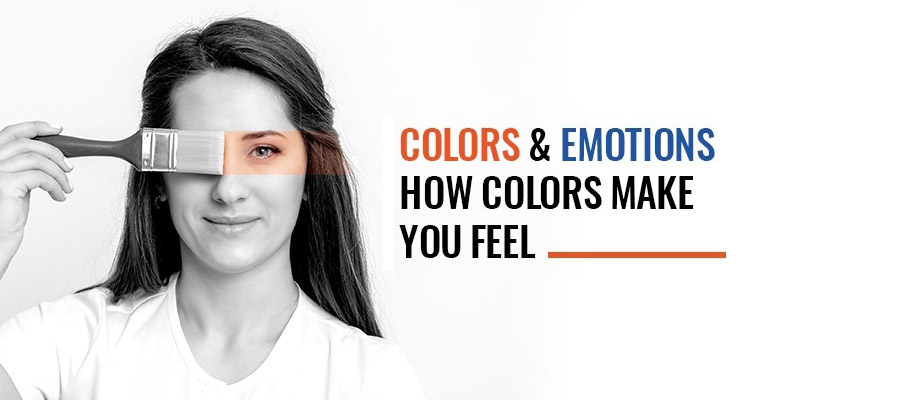
Color is one of the strongest weapons in visual communication. Long before we read a word or identify a shape, our brain responds to color. It impacts mood, behavior, perception and even decision-making.” This is why brands, designers, filmmakers and artists meticulously select color palettes to provoke certain feelings.
Color psychology explains why some visuals evoke feeling calm, excited, aggressive or trustworthy. Although interpretations can vary a bit from culture to culture, many of these emotional responses to color are universal.
Why Colors Affect Emotions
There are biological and psychological factors that play into why color influences us. Of course, our brains are actually wired to respond to light wavelengths, and colors have developed emotional associations for humans over the centuries based on nature, culture, and experience.
For example:
Red is the color of fire and blood → danger, passion, urgency
Blue is the color of sky and water → reflects peacefulness, trust, reliability
Green denotes plants → nature, growth, balance
These associations get ingrained in our visual reading of the world.
Red: Energy, Passion, and Urgency
Red is one of the most emotionally charged colors. It catches the eye immediately and raises heart rate and arousal.
Emotional associations:
- Love and romance
- Passion and desire
- Anger and aggression
- Urgency and danger
Where it’s used:
- Sale signs and discount signs (“limited-time offer”)
- Fast food branding (stimulates appetite)
- Warning signals and stop signs
- Romantic imagery
Red is a powerful color that elicits excitement or urgency, but too much red can feel aggressive.
Blue: Calm, Trust, and Stability
Blue is one of the few colors everybody seems to love. This creates tranquillity and confidence.
Emotional associations:
- Peace and relaxation
- Trust and security
- Intelligence and professionalism
- Sadness (in darker shades)
Where it’s used:
- Corporate branding (banks, tech companies)
- Social media platforms
- Healthcare and wellness design
- Corporate websites
Often associated with building trust and reducing anxiety, blue is why it reigns in professional industries.
Yellow: Happiness, Energy, and Optimism
Yellow is the color of sun, brightness, fun and attention. Many times it is linked to sunshine and optimism.
Emotional associations:
- Happiness and joy
- Warmth and friendliness
- Creativity and energy
Mainly used for alerting users to press buttons on your keyboard that cause things to happen.])
Where it’s used:
- Children’s products and branding
- Logos of fast food restaurants (to build camaraderie)
- Warning signs (high visibility)
- Creative and playful designs
Yellow can feel overwhelming or cause visual fatigue in excess, so it is used in conjunction with darker tones.
Green: Nature, Balance, and Growth
Green is closely associated with the natural world, which is one of its most calming characteristics.
Emotional associations:
- Nature and environment
- Growth and renewal
- Balance and harmony
- Wealth and prosperity
Where it’s used:
- Eco-friendly brands
- Health and wellness industries
- Finance and investment companies
- Outdoor and lifestyle products
Green is often associated with relaxation and freshness.
Orange: Enthusiasm, Warmth, and Creativity
They combine the energy of red and the cheerfulness of yellow. It seems friendly, lively and approachable.
Emotional associations:
- Excitement and enthusiasm
- Warmth and friendliness
- Creativity and adventure
- Confidence and motivation
Where it’s used:
- Fitness and sports branding
- Creative industries
- Food and beverage marketing
- Call-to-action buttons in web design
Orange is used to promote activity and can be seen as more energetic without being overtly aggressive.
Purple: Luxury, Mystery, and Imagination
Purple has long been associated with kingship and richness because purple dye was rare in the ancient world.
Emotional associations:
- Luxury and elegance
- Mystery and spirituality
- Creativity and imagination
- Wisdom and depth
Where it’s used:
- Luxury brands
- Beauty and cosmetic products
- Fantasy and creative media
- Spiritual or wellness branding
Darker purples seem more luxurious, whereas lighter purples feel dreamier and playful.
Black: Power, Elegance, and Sophistication
Black color is a very sturdy one, with power to go for elegance or a shade of secrecy.
Emotional associations:
- Power and authority
- Sophistication and luxury
- Mystery and secrecy
- Minimalism and simplicity
Where it’s used:
- High-end fashion brands
- Luxury packaging
- Modern minimalist design
- Technology products
It is sleek so it creates elegance and contrast when used alongside colors like gold or white.
Read Also : Image file formats: when to use each file type
White: Purity, Simplicity, and Clarity
White represents cleanliness and simplicity. It is often employed for design element separation and clarity.
Emotional associations:
- Purity and innocence
- Simplicity and minimalism
- Cleanliness and safety
- Peace and openness
Where it’s used:
- Healthcare and medical design
- Minimalist websites
- Modern architecture and branding
- Product packaging
In design, white space improves readability and focus.
Pink: Softness, Romance, and Playfulness
Though pink is often linked to softness and emotional warmth, its meaning shifts with tone and saturation.
Emotional associations:
- Romance and love
- Femininity and care
- Playfulness and youth
- Calmness (in soft tones)
Where it’s used:
- Beauty and skincare products
- Fashion branding
- Romantic themes
- Youth-focused designs
Bright pinks are energetic; pastel pink feels soothing.
How Color Combinations Change Emotion
Colors rarely exist alone. Their emotional impact varies based on sequences.
Examples:
Blue + white → trust and cleanliness (used in health care)
Black + gold → wealth and privilege
Red + yellow → excitement and urgency (fast food advertising)
Green + brown → earthiness and naturalness
Just as important as the meaning of each color are contrast and balance.
Cultural Differences in Color Meaning
Although many color meanings are global, culture can shift the interpretation.
For example:
In Western cultures, white symbolizes purity; in some Eastern cultures, mourning.
In China, red represents good fortune and celebration; in other places it signifies danger.
In Western cultures, black is the color of mourning, but it can signify power elsewhere.
Think about the cultural context of colors: Designers working around the world have to think about color in cultural contexts.
Using Color in Design Effectively
To use color successfully, consider:
- The emotional message you want to convey
- The audience and cultural context
- The difference in color between the words and background
- The balance of both warm and cool tones
- Design (branding, art, marketing, etc.
A carefully selected color palette can convey a message instantly without any words.
Final Thoughts
According to picktechinnovations Colors are more than aesthetic components — they translate emotions. They shape our emotions, how we make sense of messages and how we react to brands and art.
Be it the calming nature of blue, the urgency of red, or black and gold luxury color psychology is of paramount importance in design, marketing and in everyday life.
By knowing which colors evoke which types of emotions, you can produce visuals that are not just aesthetically pleasing, but genuinely touch people on a deeper level.